Today in the History of the RCN
80 years ago today...
28 April, 1944: The River Class frigate HMCS Charlottetown (K244) was commissioned into the Royal Canadian Navy. She was paid off 25 March 1947.
Jackspeak of the Royal Canadian Navy
Book: Jackspeak of the Royal Canadian Navy
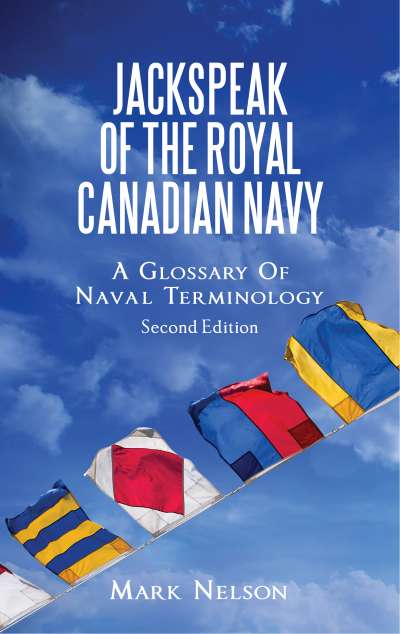 The Canadian Navy has it's own terminology and slang that is still evolving to
this day. Much of the language used is still derived from the Royal Navy, although as Canadians many local customs and slang have come about. Pull up a bollard and browse our collection of Jackspeak.
-->
The Canadian Navy has it's own terminology and slang that is still evolving to
this day. Much of the language used is still derived from the Royal Navy, although as Canadians many local customs and slang have come about. Pull up a bollard and browse our collection of Jackspeak.
-->
The Canadian Navy has it's own terminology and slang that is still evolving to
this day. Much of the language used is still derived from the Royal Navy, although as Canadians many local customs and slang have come about. Pull up a bollard and browse our collection of Jackspeak.
-->
Ships of the Royal Canadian Navy
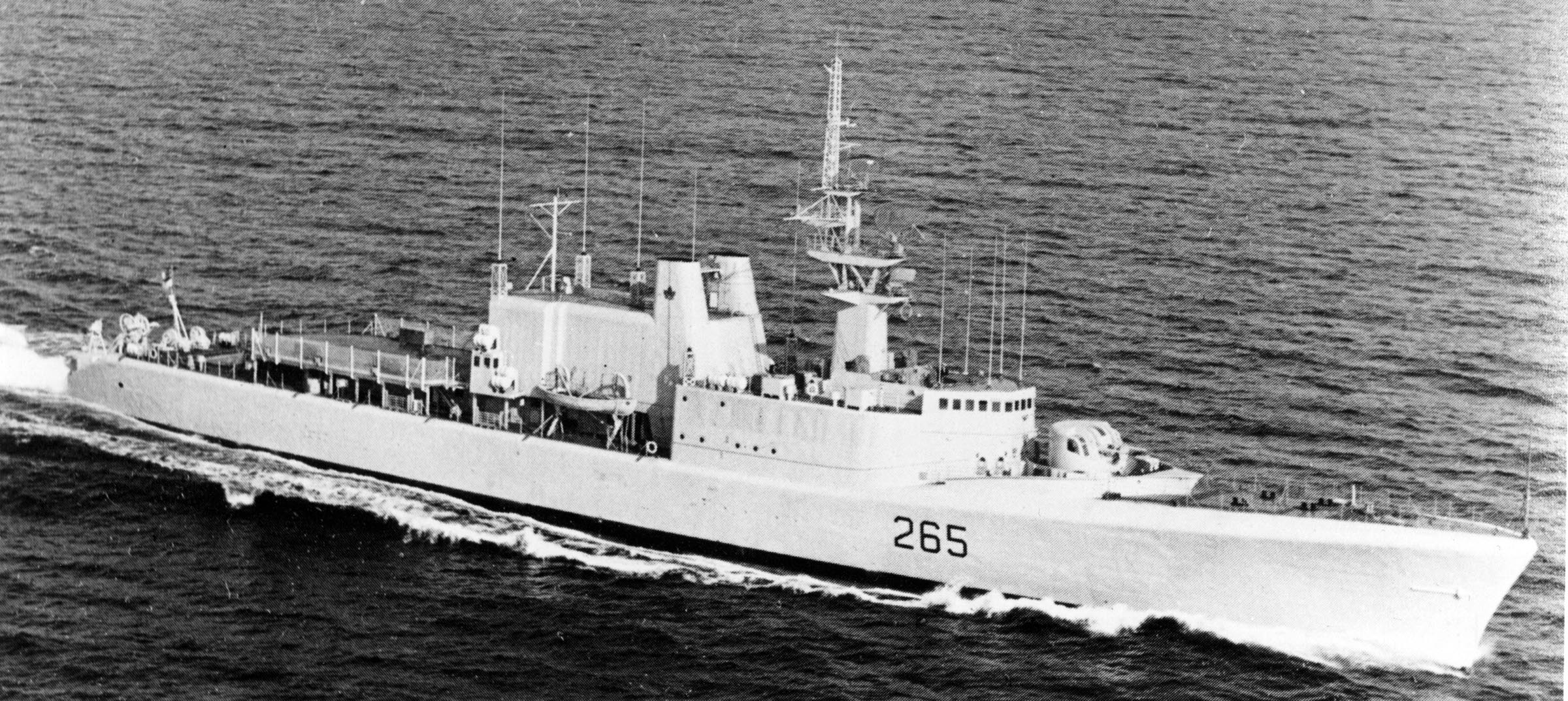
We host a comprehensive list of ships that have served in Canadian Navy yesterday and today. Click here to browse our list of ships.
Badges of the Royal Canadian Navy
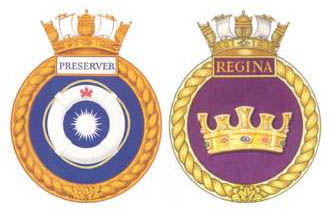 We have an extensive collection of badge images encompassing nearly all the official badges used by the Royal Canadian Navy since inception. Click here to browse the badges.
Crowsnest Magazine Archive
 Crowsnest Magazine was published by the Royal Canadian Navy from 1948 until 1965. In this digital collection we have every issue, an ideal resource for naval historians and researchers. Click here to browse the Crowsnest collection.